
From there, a team can help you design a supervised withdrawal plan that honors your safety, your dignity, and your goals for the future. Safety is essential, but how you feel during detox matters too. A well‑run safe detox program focuses on preserving your dignity and treating you as a whole person, not just a set of symptoms. Supervised alcohol withdrawal is the beginning of recovery, not the end point. The goal is to move you safely from medical crisis to a place where you can fully engage in long‑term treatment and healing.
You May Feel Happier
- If you or your loved one drinks heavily, has a history of complicated withdrawal, or has other medical conditions, an alcohol detox program Utah setting greatly reduces your risk.
- Focus on developing practical coping skills and emergency response plans for high-risk situations.
- Delirium tremens has a fatality rate of 37% if untreated and is considered a medical emergency.
- The onset of withdrawal symptoms, while typically happening within the first 72 hours, does not always happen within that time frame.
- Social detox programs focus on a supportive, structured environment where you are monitored and encouraged through withdrawal.
Your body is already working to heal, even if it does not feel that way yet. Pushing through this stage means you are on your way to breaking alcohol’s hold over you, and with the right support, the worst symptoms can be managed safely. During alcohol withdrawal, you’ll want to avoid several types of foods that can worsen your symptoms. Stay away from sugary snacks and processed foods, as they can destabilize your blood sugar and increase anxiety.
Medical Detox for Alcohol Withdrawal
Focus on eating nutritious food to stay healthy during the withdrawal process and support your body’s recovery. If you experience marijuana withdrawal, you may have cannabis use disorder. CUD can significantly impair your life and become more severe. In an analysis of studies of more than 23,000 people, researchers found that 47% of people who used marijuana regularly experienced withdrawal symptoms. Alcohol withdrawal typically progresses along a timeline, with symptoms occurring, worsening and eventually easing off within a total of around 72 hours.
DTs usually start 48–72 hours after the last drink and can last several days. Untreated, mortality has historically been reported in the 5–25% range; with modern medical care, that risk drops significantly but remains serious. This is why people at moderate or high risk are typically advised to detox in a monitored setting rather than alone. Alcohol withdrawal occurs when your body has adapted to the presence of alcohol and suddenly has to function without it.
Alcohol Withdrawal Timeline Day by Day
Other factors include your baseline physical health and any co-occurring conditions. This level of care is the foundation of a safe detox program because it reduces the risk of life‑threatening complications that can occur when alcohol leaves your system. When you hear “supervised alcohol withdrawal,” you might picture a hospital bed and bright lights. In reality, supervised alcohol withdrawal simply means you are not trying to quit drinking https://star10.day4education.online/archives/4666 on your own. Instead, you move into a structured, safe detox setting where a medical team watches your symptoms closely, uses medications when needed, and supports you through the entire withdrawal process.
These symptoms aren’t life-threatening, but they can be very uncomfortable. Alcohol slows down the brain, reducing anxiety and causing sedation. To adapt, the brain reacts by increasing glutamate and decreasing GABA. Since alcohol slows brain function and nerve communication, the central nervous system (CNS) adapts. It keeps the brain in an awakened state to allow nerve messaging to function. Find out the difference between true and avoidable naltrexone Drug rehabilitation contraindications and why naltrexone is considered very safe for most people.

The Critical Factor: Daily Heavy Drinking
After withdrawal’s initial danger and unpleasantness, those who quit drinking will experience better sleep and adequate hydration. After 2 weeks, people often feel happier with fewer mood swings. Choosing supervised alcohol withdrawal is not a sign of weakness. It is a decision to protect your health and give yourself a safer, more stable start in recovery. Outpatient detox is less common for alcohol because of safety concerns, but it can be part of a step‑down plan after you complete a detox stabilization program.
What Does It Mean To Have a Substance Abuse Problem?
Generalized tonic-clonic seizures (formerly known as Grand Mal) are the most severe type of seizures that can occur during alcohol withdrawal. Minor withdrawal symptoms usually begin about six hours after your last drink. A person who has a long history of heavy drinking could https://ecosoberhouse.com/article/alcohol-withdrawal-symptoms-stages-and-treatment/ have a seizure six hours after stopping drinking.
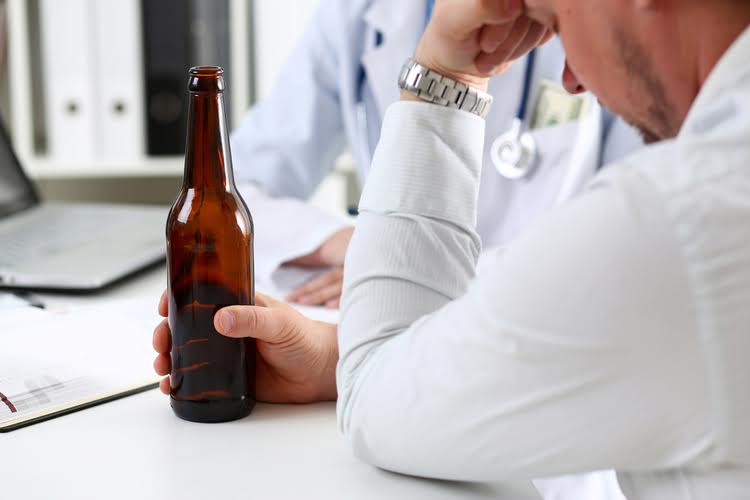
72 Hours: Highest Risk Window (Delirium Tremens)
- Once you leave an inpatient program, you’ll be connected to resources you can continue to use, such as support groups or doctors or therapists in your area.
- This imbalance drives every withdrawal symptom you’ll experience.
Alcohol detox can feel overwhelming, especially if you or a loved one are experiencing withdrawal or know it is coming soon. Understanding how an alcohol detox program in Utah works from start to finish can help you feel more prepared and confident about taking the next step. Drug & alcohol withdrawal can be agonizing — even life threatening.
Contact your state’s mental health/substance use agency for more guidance on how to afford rehab. Your risk of having a seizure is highest within the first 12 hours after stopping or reducing alcohol. You’re also at a higher risk if you have a history of epilepsy, hypoglycemia, or an electrolyte imbalance. Be prepared.Talk to your doctor or a drug treatment specialist about what to expect. These medications aren’t for everyone but could help lessen severe DT symptoms, such as hallucinations and aggression.
The Phoenix Recovery Center
- Healthcare providers can administer medications like benzodiazepines to ease symptoms and prevent seizures, along with other supportive medications for nausea, anxiety, and sleep.
- A 2 minute assessment to get a personalized mental health or alcohol recovery plan.
- For safety reasons, you may need to take time off or request accommodations, especially if you experience significant withdrawal symptoms.
- Some individuals won’t experience symptoms of withdrawal for 3-5 days.
On the second day of withdrawal, the symptoms may intensify—it is common to have high blood pressure and increased body temperature at this stage. Some people may experience auditory and visual hallucinations on day 2. Symptoms may peak around 48 hours, but if you feel like you cannot manage them on your own, reach out to a healthcare provider. In some cases, symptoms will escalate between 12 and 48 hours after the last drink, generating a severe form of withdrawal characterized by seizures and hallucinations. About 5% of people going through alcohol withdrawal without medical treatment will enter the second stage. Hallucinations and seizures during acute withdrawal represent emergencies and medical attention should be sought immediately.
Your nervous system adjusts its chemistry to compensate for alcohol’s depressant effects. When you suddenly stop drinking, your body needs time to readjust to functioning without alcohol. If you or someone you love is experiencing withdrawal symptoms or attempting to self-detox, it’s important to reach out and get medical attention. If severe symptoms like delirium tremens are present, death can become a very likely outcome. Thelong-term outlookfor alcohol addiction treatment depends on the extent of organ damage and whether the person continues to drink after rehab. In the months after treatment, patients may still experience sleep disturbances, mood swings and low energy levels.